A Toast to Domovoi, God of Hearth and Home

A toast to the guard of the hearth!

A toast to the one that makes his mark

On the fields so ripe

And press so full

A toast to the god of wine!

The little man

So clever and so drunk

With unkempt beard

And locks of gold

Let’s raise our glass to him

So that our glass might always brim!

The Dark Water, a Short Story

A rod was cast into the shimmering pool, which refracted the light of the lantern against the moist rocks overhead. To the other end, the boy could not see, for his lamp’s dim and orange light faded into blackness before the end of the water. With each attempt at a catch, the rod and hook blipped into the water, stirring forward an infinite number of rings which ran along the surface of the orange colored water.

The cave was a bustle of quiet noises. From the ceiling, drops of water would fall in tune against the mossy ground below, carving away for centuries at the stony floor. Noises from the above, cars dashing and going, people talking and laughing, were trapped in the cave, endlessly bouncing off the walls and water, going back and forward as any polite conversation. Little worms and beetles scurried along their highways and byways, getting to some place they seemed intent on going. Even the lantern made a low humming tune, the burning heat of its flame which flickered and danced in the cool air of the cave. The water was silent, however, for the fish did give away their sounds to the boy.

It was two hours in, at least it felt like that to the boy, for the sun’s light could not show beneath so many rocks and curves in the cave. He yawned which caused a hollow echo, and stretched his arms wide in eagerness for slumber. Still he had not caught a thing, and his candle began to burn low, yet now he saw something, shimmer against the water.

The boy stood straight, braced his feet against the rocks, and cast his hook once more. Silence for a few minutes, the conversation of echoes stopped and listened, the worms and beetles ceased and looked, the drops of water paused and glanced. From the water’s, a thing came crashing out as though the surface were ice, cracking it into foam which glistened against the lantern’s low light. The boy saw a fish, colored as a rainbow, with muscles strong as an ox as it jumped through the air, its coat shinning as a knight’s in a bright summer’s day. It was as an opera or performing dance, for it seemed rehearsed in its act. Again it crashed through the water as though it were hard concrete, taking the whole hook and line with it.

In an instant, the show was over. The fishing pole dipped into the water, leaving the boy empty handed with a look of astonishment. He took his lantern, sighed a heavy sigh, and headed for home. As he looked again into the cave, he could see the fish swimming beneath the dark waters. It was glowing, as though it was stolen some light from the lantern, in the way spring grass grows greenest and strongest in the sun.
The Green Mountains

The Green Mountains, composed by Forrin, King of the Dweor, as his folk caught sight of the Green Mountains on their long march to the south, fleeing from the upheaval of Usham.

Hark my Brothers!

For what is that upon the light of the horizon?

A land filled with milk and honey

A land to carve halls and brew beer

Where the furthest peak is ornate with green growing grass

Here we make our fortune once more

Safe from the chilling sorrow of Usham

Here upon the Green Mountains

Shall the Dweor be sung of again

Welund’s Blessing, Song of the Deangli

A traditional drinking song of the Deangli, the folk from across the Sea of Stars. Invokes the name of their chief god, Welund the Smith, and his son their first king, Pwyll.

Hammer (Welund)! Hammer (Welund)! Call down your son!

Who sailed cross the Sea of Stars

Hammer (Welund)! Hammer (Welund)! You came once before!

To the brave and fair one

The good maid Gweneth

Pwyll you did father

Us you did shelter

Hammer (Welund)! Hammer (Welund)! Now come once more!

Upon the Moonshore

You beat and you hammered

The foulest of demons, away from our hearths

Now brave hammer, bless us once more

Hammer (Welund)! Hammer (Welund)! Call down your son!

King Pwyll the Wisest of All!

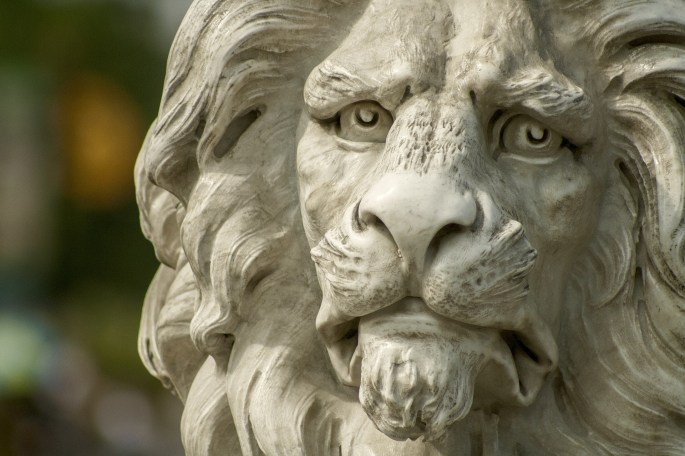
The Taming of the Lion

The poem composed by the famous orator, Libacius, lamenting the sack of Nacia. Written as he fled the city on foot with many other refugees, watching great pillars of smoke envelope the walls.

By what have the sharp fangs gone dull?

Or roar so thunderous now like a mouse’s squeak?

Now marble towers

Lie in ruined pile

And gardens

Sit Overrun with weeds

By what force has the world tamed the Lion of Nacia?

Which did once prey on whole hosts of nations with razor teeth

And make cower all with a roar of deafening magnitude

By what milk shall the lion grow strong again?

Can such elixir exist?

Can such a man be born?

To make the lion roar once again

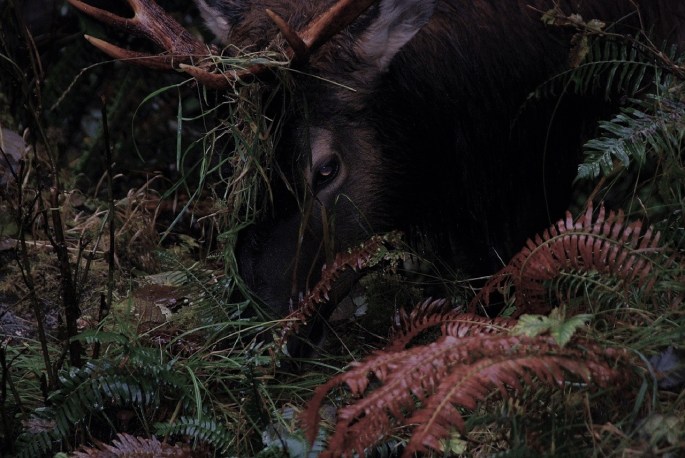
The Black Elk, God of the Zelphine People

Poem composed by King Rogbert when he and his hunting party were cast off their horses by a burning visage of a black elk.

What mortal man dare to stand

In the presence of the Black Elk?

What fire has he

That the Elk does not envelop?

With horns like darkened ivory

And eyes of burning suns

With hooves that singe against the dirt

And breath that turns to steam

Aye the man that stands would be mortal

For not long shall he stand in the presence

Of the Black Elk!

The Kingdom of Lorine

Since Adalgott’s time, Lorine has ruled as an independent nation, under countless dynasties and kings. The southernmost of the kingdoms of the north, Lorine enjoys the benefits of a border with the elves of the Golden Court, and the Elnish men who trade in sweet wines and fine crafts. Lorine has its capital at Wulfstan, the ancient city where Adalgott once ruled the entire north. In this city, Adalgott carved his palace from a massive rock which jutted from the ground and prescribed the first written set of laws upon it.

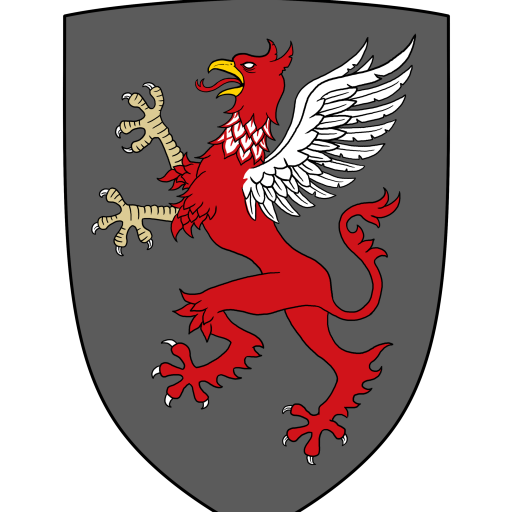
Lorine has never been able to recapture the glory of their former king, and rather the nobility squabble over land and power, crippling the effectiveness and prestige of Lorine. The best hope for Lorine’s return to glory is vested in King Oswine, the aged ruler who has restored some sense of order and stability to the country. From Wulfstan, he commands a powerful host of knights, the Order of the Red Gyrfalcon.

Even with this newfound prosperity, the realm sits on stale and waiting wind, for foul omens fills both rural and urban lands. In the alleyways, languages thought cursed and dead are spoken. In the country rituals to powers long banished are uttered in profane blasphemy. Lorine must prepare for war.

The Drowned Knight, a Poem from the land of Ritter

Composed by an unkown squire, sometime in the Age of Glory, since then, a staple of Ritter bards and performers.

Upon the gleaming lands of Ritter

A knight clad in shining steel rode

His face and crown adorned in gold

With the clinking and jangling of his metal

Which did sound much like potted kettle

By the road

Set upon by bandits with broken blades and rotted teeth

The knight let out a great laugh and took out his blade from its sheath

With a great swing he made quick work of them

Leaving them upon the forest floor they were condemned

By the cave

Awoke a great bear

With a roar that did pierce the fair air

Slashed and claw it did

By the shining armor of the knight all harm it did forbid

When the knight swung his sword

And took the bear’s head to the local lord

By the river

The folk told of a beast

Hewn of scale which had swam from the east

Upon the sea the knight did wade

To pierce the sea dragon with his blade

By the rushing flow of water

The knight found his own slaughter

For now upon the bottom of the river

Clad in shining metal like that of silver

Sits the Drowned Knight

The Order of the Eternal Dawn

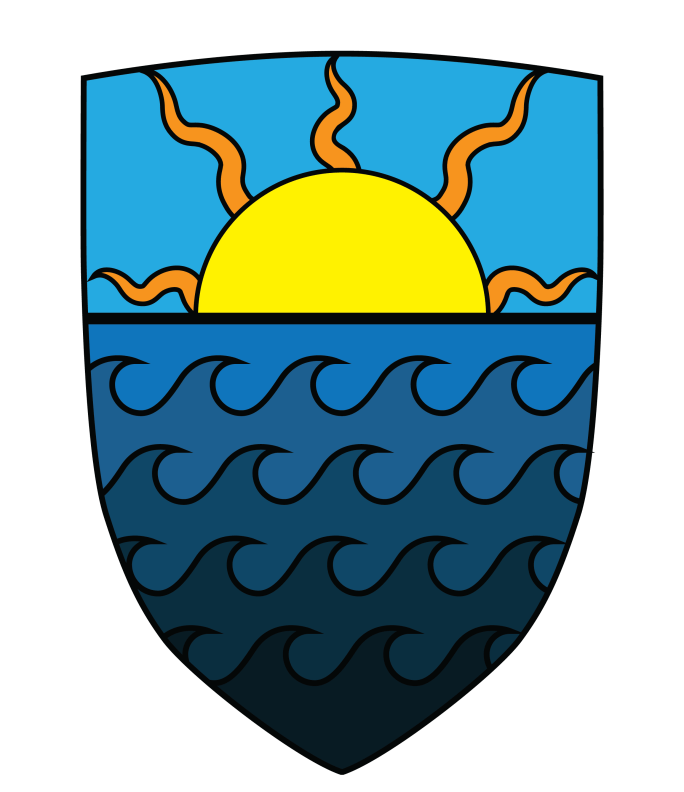
The Order of the Eternal Dawn has stood watch over the various kingdoms of the north since the Age of Glory, when Adalgott, the first king, fought against the demon Azrael. The order was founded from former companions of Adalgott, who knew the battle between good and evil had only just begun. Their first knightly commanders prayed along the shore of Midland to Cinder, god of the sun and light. Upon hearing their call, Cinder bestowed the world with a dawn brighter than any fire or midday sun, golden and radiant beyond words. Upon this sight, the knights painted their shields with the image of the dawn upon the ocean’s horizon and formed the brotherhood.

From Castle Zweleran, a massive complex of towers and walls, the Order of the Eternal Dawn guards the realm against various foes, from lowly bandits to giants come to reave along the shore. In recent years, the rise of kingdoms in the north has taken away much of the power, crippling their reach and influence. Now the knights operate chiefly in Midland, though a few of their order quest through the rest of the world, seeking holy relics or lost knowledge.

The House Oderyr

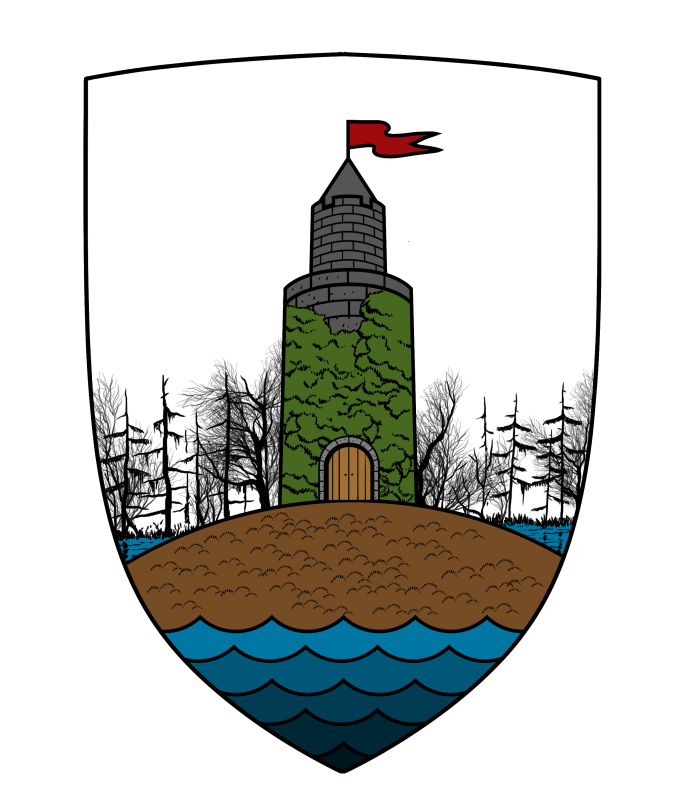
House Oderyr has stood, rather, sunk in the Red Marsh for thousands of years. Their capital and only walled castle, Green Rock, has stood the test of the wetlands, surviving both floods and frigid winters. House Oderyr is considered the weakest of the Midland houses, even more so than Moricar, with roughly a thousand or fewer levies in total. Oderyr’s contribution to Midland is their key chokepoint, as Green Rock is the only roadway through the Red Marsh, and into Midland.

Recently, Oderyr has declined even further, as their liege lord Theodric, and his wife, Elanna, have been driven mad from old age. The lands of Oderyr are now practically autonomous, with no real authority of law.