Blog

The Green Man

Throughout ancient European, and for that matter, world mythology, there is an unspoken character who dictates the laws of nature, who binds the seasons to his will, who has the power to bring the hero strife or glory. That character is the Green Man.
statue-1324768_1920

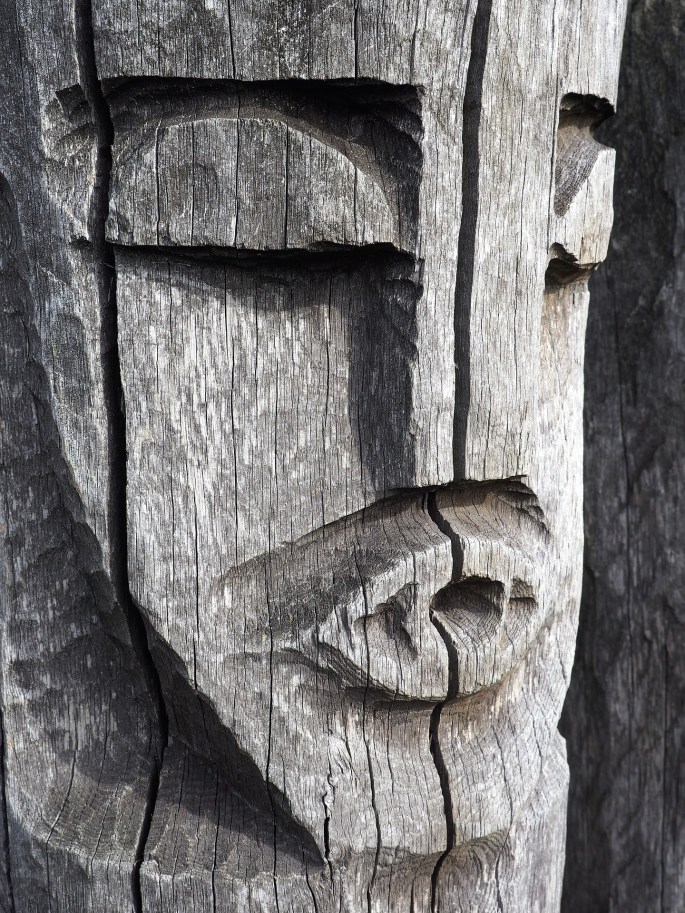
The Green Man is quite literally nature made characterized. Often in fantasy, and mythology that influenced it, the Green Man is a figure of rebirth, life, death, decay, and the changing of the seasons. The color green is vital to his character, representing not only the lush green of summer and spring but also the otherworldly nature of his being. The best example of this type of power can be seen in Tolkien’s superb work, Sir Gawain and the Green Knight, in which Galdwin is accompanied by the ghostly visage of a green knight.

In the natural aspect, the Green Man often appears in literature at the beginning with summer or fall, representing the fading of happy days, and the coming of strife for the character. One of the best examples of this, is from Geogre R.R. Martin’s widely popular Game of Thrones series, with the classic Stark words being, “Winter is Coming”, as the long summer comes to a close.

In my own work, the Green Man arrives in the middle of summer, when the days are longest in hottest. In the winter, the stakes are dire, and all hope seems lost in the soul-crushing effects of ice and snow, for life has faded and been corrupted. The book ends in the spring, heralding the Green Man’s return, and the renewal of life.

Please leave comments for any books you can think have a Green Man character, and be sure to like and subscribe!
The Twiddle and the Whittle

A poem from The Sword to Unite, sung by the elf, Eadwine


Oh the farmer had a pig

A hog so fat and full

It snorted and twiddled

While the farmer sat and whittled

And the pig did laugh and the pig did jest

For it knew not why the farmer whittled

While he did twiddle

Then came the day

When the farmer had whittled

A spit for the pig

That the pork did no longer twiddle

Rather did it sizzle!

The Magnanimous Free City of Kruithia

To the south, beyond the realm of knights and peasantry, cold winds and colder demeanor men, lies the self-titled, Magnanimous Free City of Kruithia, the Golden Coin of Eln, the Six-Pronged Saviour, and other titles too long for most northerners to memorize. It is the largest city of men, consisting of dozens walled sections which rise high into the clouds. It stands suspended across a deep running moat which wraps around the city like a ring. To the lower districts, sewage runs freely in the streets, and cramped conditions force people deep into the dimly lit alleyways of the inner rock. To the bottom, the Pit, a fighting arena where prisoners are made to bleed for the amusement and example of the rich and poor.

To the upper tiers of the grand city, open air terraces and vast green gardens litter the skyline, with some private estates having their own little forests. Gold-domed palaces reach high above the filth of the city, reflecting light as a coin being inspected for quality.

Kruithia is ruled by six oligarchs, each a head of a noble clan of Kruithia, hence the six-pronged coin. They chose six, so that no decision could be made with a fifty-fifty divide, a majority would always rule in Kruithia, no matter what.

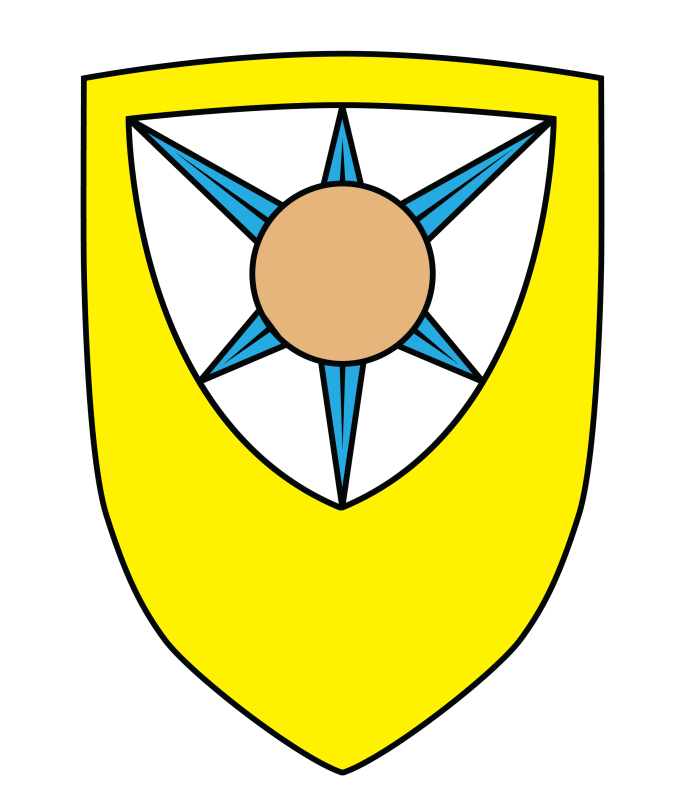
Krutithia also holds the largest bank in the world, The Shimmering Star, named for the treasure rumored to be hidden deep within the vaults and thick iron doors of the bank. The Shimmering Star was an artifact from the first days of man, a gift from the gods themselves, a meteor composed of pure light. None know if this treasure exists, for the bankers are not ones to divulge their accounts.

The Cover of The Sword to Unite

Here is the official cover for the paperback version of The Sword to Unite. Done beautifully by an artist on 99designs, Piere d’Arterie, I highly recommend you check out some of his work.

It was a great experience to see the cover come to life the way it did. As you can see in the background, the various coat of arms can be seen on the banners behind, a really nice detail. The sword is also a great focusing piece of the cover, and exactly how I imagined it in the book.


Note: This image is copyrighted, please feel free to contact if you would like to learn more.

The House Moricar

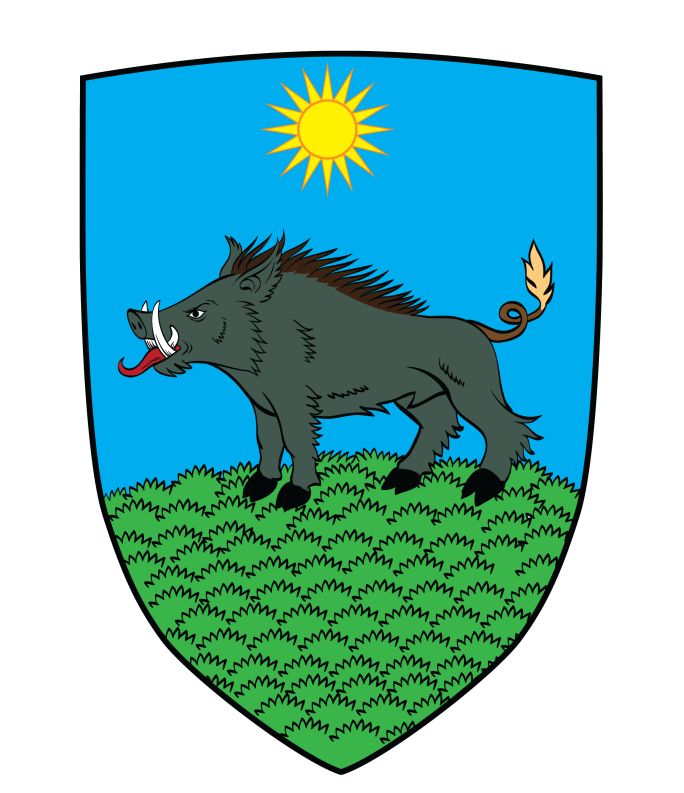
House Moricar is proud if somewhat looked down upon in Midland. Moricar has a reputation of being the weakest of the houses, as their levies in war are often skirmishers or archers, unable to win glory on the battlefield as the steel-clad warriors common in Midland. Their capital is Luxen, a town centered in a tall green hill. It was here that King Roi, founder of the modern house of Moricar, saw the god of the hunt, Godric, descend from the sky on a golden chariot, and slew a boar charging at Roi. The king collapsed from this encounter, and when he could stand, ordered his vassals to erect a shrine to Godric. They did so, carving a stone statue of a boar and erecting the castle of Luxen.

The house Moricar is known famously for the men who live as their subjects, the Rivermen of the Tyr. Slender and tall, these men wear brightly colored cloaks and tunics as they ride and wade through the reedy shores of the River Tyr, carrying javelins or longbows as they hunt the boars and deer which reside there. A simple folk, they carry a song in their heart and pipe at their mouth, even in battle, where they were little to no armor for fear of being slowed down.

The House Crawe

To the north of Lorine, the winds grow cold and the earth hardens into soil akin to stone, yet House Crawe shines as a pinnacle of wealth. The Crawes have ruled the different lordlings of Midland for centuries, keeping power through wealth, rather than brute force. Founded by Scallion Crawe, a merchant from the Elnish lands with barely a copper to his name, they would rise to the rank of the most powerful nations in less than a lifetime.

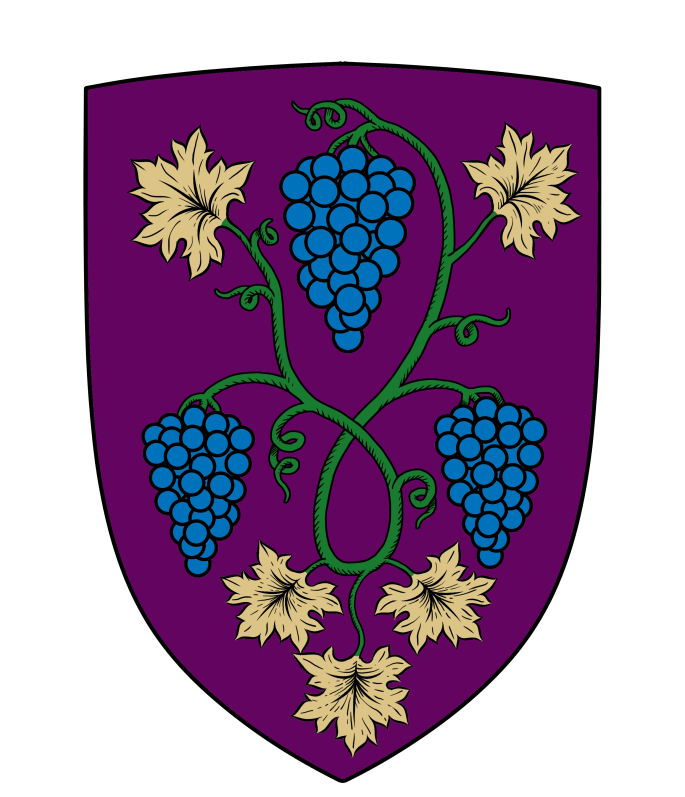
Scallion came north with a handful of iceberries, a species of grape nearly immune to cold, with little need for water or rich soil. Scallion cast the grape seeds across the fields of Midland, and by the summer harvest of the next year, was the wealthiest man in Midland. His wineries appeared throughout the fledgling nation. Crawe was no kind soul, he was rumored to have burned at least five competing vineyards and alehouses, all in the name of monopoly.By the end of his life, he had built a city of marble, named Prav, and had amassed one of the largest fortunes the world had ever seen.

His descendant Malcom now rules Midland as Vine King, guarded by fill regiments of men bearing the golden vine upon their breastplate. Wealth flows into Prav from the country, though the sweet nectar of iceberry wine has weakened the industrial nature of house Crawe, who have not worked the land like their ancestors for generations.

The House Arrington

House Arrington is the second most powerful house in Lorine, behind only the crown. From the lakeside city of Lahyrst, they rule with sublime wealth and power, with a rigorously trained professional army, and a network of spies and agents who live to serve the Red Fox of Lahyrst.

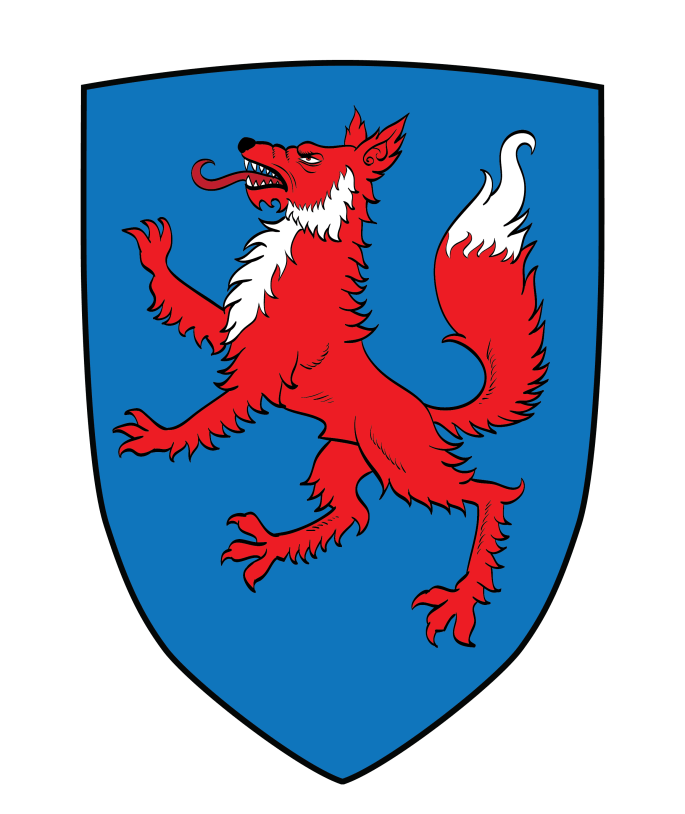
Arrington took the symbol of the red fox to show their cunning and refined nature, with bright red to show their strength, and blue to show the calm of their rule. William Arrington is the current chancellor to King Oswine, and the patriarch of the Arrington family. Known as a reserved man, his intentions are not revealed, until he is ready to reveal them.

The House Thorne

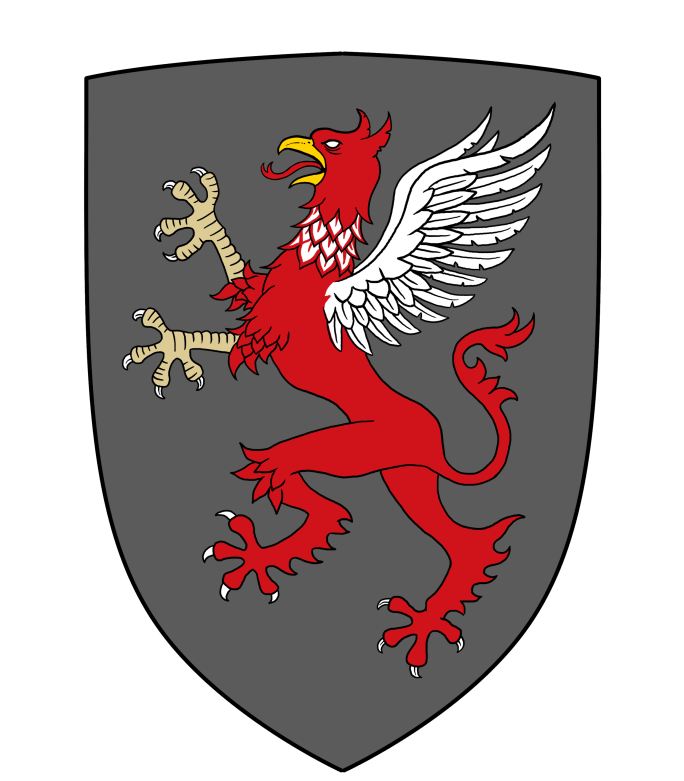
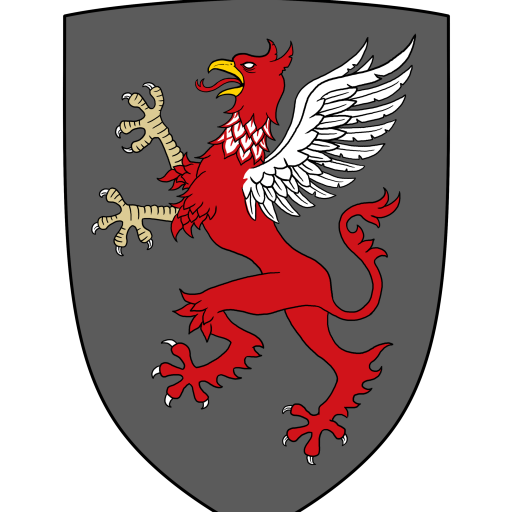
One of the oldest, if not wealthy, houses in Lorine, House Thorne has lived in their ancestral house of Orford since the time of King Orfric. Edric, first of the blood of Thorne, was a common sellsword, contracted by the king to rescue his youngest daughter from the lair of a foul cyclops. Edric did so, slaying the behemoth with a single arrow in the eye, thereafter known as Edric the Marksman. Edric was rewarded with the village of Orford, and the hand of the princess in marriage, forever binding House Thorne and the crown. For their sigil, they took the noble visage of the Griffin, an animal which has resided in their forests for as long as any can remember. Thorne has never been a significant player in the politics of Lorine, their liege lords preferring to go questings in far distant lands or work the fields alongside their landbound peasantry.

Thorne has never been a significant player in the politics of Lorine, their liege lords preferring to go questings in far distant lands or work the fields alongside their landbound peasantry. Most notably amongst these heroes was Albert, who fought in the Green Mountains aiding the Dweor, or dwarves who raise flocks of white sheep along the mountain range.

The current lord, Cedric, son of Albert, and the great-grandson of Edric, rules Orford in the time of King Oswine. He is a young man, educated at court, trained in warfare, bearing the blood of an ancient household which the world thought extinct.